What Causes Fungal Flare-Ups in Nails and How to Manage Them
If you have ever tried to clear up a nail fungus only to watch the problem return, you already know how discouraging it can feel. A fungal flare-up in nails is rarely random. It is usually the result of the fungus finding a comfortable, quiet place to persist, then getting a chance to expand again when conditions shift. Sometimes it flares soon after you start treatment. Other times it stays quiet for a while and returns when your routine changes, your footwear traps moisture, or your nails take on more micro-injury than you expect.
Below, I’ll walk through the most common causes of fungal flare-ups in nails, how to recognize the signs of fungal flare-up early, and what managing nail fungus flare ups looks like in real life, including habits that help with preventing flare ups nail fungus.
Why fungal flare-ups happen, even when you “did everything right”
Fungal nail infections are stubborn because the nail plate is hard, thick, and slow to change. Treatment can target fungus in the nail, but it cannot instantly reverse the environment that allowed the fungus to settle in the first place. Even after partial improvement, fungus can remain deeper in the nail bed or near the nail edge, then grow as the nail slowly renews.
In practice, flare-ups usually come from one or more of these patterns:
- Moisture stays trapped under the nail and in footwear. The fungus thrives when it is warm and damp.
- The nail surface keeps getting small injuries. Those tiny breaks create openings and disrupt the nail barrier.
- Re-exposure happens. If skin is still affected or contaminated items are reused, reinfection can occur.
- Treatment is interrupted or too short. Nails grow slowly, so “it looks better” can arrive before the infection is fully gone.
- Nails regain thickness and debris. Thick, rough nails make it harder for medication to reach where it needs to go.
A key detail I have seen again and again: people often treat what they can see, but the flare-up is about what is still happening under the nail.
A quick lived-experience example
One reader I spoke with described cycling treatment for months, then stopping because the discoloration seemed lighter. A few weeks later, their big toenail started crumbling at the edge. They had nail health not changed anything dramatic, but their socks and shoes did get more humid, and they resumed longer runs. That combination, moisture plus repeated micro-trauma, is exactly the kind of “quiet conditions shift” that can trigger fungal flare-ups.
Causes of fungal nail flare ups: the most common triggers
When people ask about the causes of fungal fungal flare-ups, they often expect one obvious culprit. The truth is usually layered. Here are the triggers I see most often when someone reports that their nail fungus “came back.”
1) Foot and nail moisture, especially in closed shoes
Warmth and moisture give fungus a stable environment. Socks that hold sweat, shoes that do not dry well, and walking or working conditions that keep feet damp can all raise the odds of flare-ups.
2) Skin fungus that keeps transferring to the nails
Nail fungus and athlete’s foot are not always separate problems. If skin fungus is still present, the nail can keep getting seeded. Even mild itch or peeling between toes can be a sign that fungal activity is still underway.
3) Nail trauma and tight footwear
Repeated pressure from tight shoes or frequent nail-banging from activity can cause tiny damage. The fungus then has an easier time establishing itself in those micro-channels.
4) Incomplete treatment cycles for slow-growing nails
Nail growth is slow, particularly for toenails. A flare-up can appear when symptoms ease but fungal activity is not fully suppressed. Stopping too early is a common reason people end up chasing the problem again.
5) Shared or reused items that stay contaminated
Clippers, files, nail brushes, and even the same towel used repeatedly can contribute to ongoing exposure. This is especially relevant if there is also skin involvement.
These causes overlap, and that overlap is what makes flare-ups feel unpredictable. They can be the result of one trigger worsening another, like moisture increasing after you switch to a new type of shoe, or skin fungus becoming more active during sweaty workouts.
Signs of fungal flare-up: what to watch for early
Not every nail change is fungal. That said, fungal flare-ups often have patterns that become recognizable once you know what to look for. The earlier you notice, the more options you have to manage the situation before the nail worsens.
Here are signs of fungal flare-up that are commonly reported:
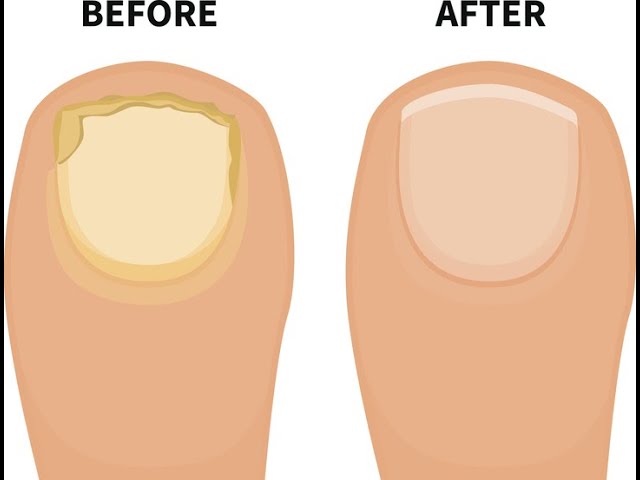
- New or spreading yellowing, white chalky patches, or darker discoloration
- Thickening of the nail plate, especially near the edges
- Crumbling, lifting, or separation from the nail bed
- An increase in odor or debris under the nail
- Changes that continue even after you pause “treatment” routines
If you spot early changes, act sooner rather than waiting for a “sure thing” moment. I often recommend treating the pattern, not just the appearance. For example, a small patch that keeps enlarging, or one that becomes rougher SupraNail reviews 2026 over a few weeks, is more suspicious than a discoloration that stays stable.
One edge case worth mentioning: sometimes nail discoloration comes from trauma, psoriasis, eczema, or other non-fungal causes. If you are unsure, it is worth involving a clinician, especially if the nail changes are sudden, painful, or involve multiple nails in an unusual pattern.
Managing nail fungus flare ups: a practical, steady approach
Managing nail fungus flare ups is not only about medication. It is also about reducing conditions that support the fungus, supporting healthy nail growth, and staying consistent long enough for improvement to become durable.
Medication and consistency, tailored to your nail
If you are using a topical antifungal, consistent daily use matters. The goal is exposure long enough to reduce fungal activity as the nail gradually grows out. For some people, clinicians may recommend different forms of treatment depending on severity, number of nails involved, and whether there is thickening or nail lifting.
My practical advice is simple: track what you are doing. When people stop noticing changes, they sometimes stop the routine as well. A flare-up can then start quietly. If you can, set a reminder and keep a small log of application dates and what you observe.
Nail care that supports treatment
You do not need to “buff until it hurts.” The idea is to reduce buildup so products can reach more effectively and so the nail does not keep feeding the cycle of debris and moisture.
I generally suggest gentle, controlled care: - Keep nails trimmed straight across, then smooth rough edges. - Reduce thick debris slowly, if you do it yourself, because aggressive filing can worsen micro-injury. - If the nail is very thick or painful to manage, professional debridement can help.
Hygiene steps that actually reduce flare risk
This is where preventing flare ups nail fungus becomes realistic, because these habits remove the fungus-friendly environment.
Here are five habits that tend to make a measurable difference: 1. Dry your feet well, especially between toes, after bathing or sweating. 2. Change socks if they become damp during the day. 3. Rotate shoes so they dry fully between wears. 4. Use separate nail tools for infected nails, and disinfect after each use. 5. Treat any skin irritation or peeling between toes promptly, instead of ignoring it.
Trade-off to consider: some people find that heavy moisturizing helps skin comfort, but overly occlusive routines can also keep skin too wet. If you use moisturizers, keep them targeted to skin that tolerates them well, and avoid trapping moisture between toes.
Preventing flare-ups: what to adjust when the nail starts improving
Prevention is not about doing everything forever. It is about adjusting what matters once you see improvement.
A few patterns I see when flare-ups return: - people feel “mostly better,” then relax their shoe and sock routine - treatment stops because growth makes discoloration harder to notice - nail tools are no longer disinfected since the worst phase seems over - skin symptoms flare, but nails are the only focus
If you are in a recovery phase, consider treating it like a slow renovation. The nail is still growing. The fungus may still be present in parts you cannot see. Your job is to keep the environment from tipping back in favor of fungus.
When to escalate care
If you get a flare-up that rapidly spreads, involves multiple nails, causes pain, or does not respond to the routine you have been doing, it is reasonable to seek medical input. A clinician can help confirm whether the nail changes are truly fungal and choose an approach that fits your situation. That step can prevent months of frustration and repeated cycling of “try, stop, try again.”
Fungal flare-ups in nails are frustrating, but they are not a sign you failed. They are often a signal that the conditions supporting fungus have not fully changed yet, or that the infection needs a more tailored plan and longer consistency. With careful observation, steady management, and the right adjustments, you can reduce flare frequency and give the healthy nail growth a real chance to win.